Vinyl Gazebo vs. Open Pergola: Which Outdoor Shelter Fits Your Backyard?
When you look at your backyard and picture a shaded spot to sit with a drink or host a small gathering, the first question is often what kind of structure to add. Two popular choices are a sheltered vinyl gazebo and an open-roof pergola. Each changes the feel of the space and serves a different purpose. This article compares the two so you can decide which one suits your yard, your climate, and how you plan to use the area.
What Each Structure Offers
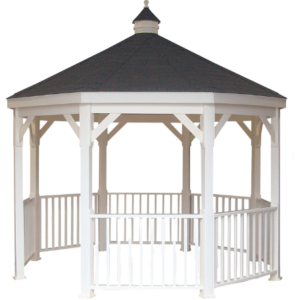
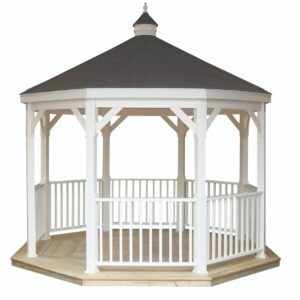
A vinyl gazebo is a freestanding or attached shelter with a solid roof and fabric walls or screens made from vinyl. The material is waterproof and blocks most sunlight, which makes it a good choice for rain protection and shade. Pergolas, by contrast, have an open lattice or slatted roof that lets in light and air. They are often built from wood or metal and are used more as a decorative frame than a full weather barrier.
The choice comes down to what matters more: full coverage from the elements or an airy, garden-like structure. Many homeowners start by thinking about how much sun and rain their patio gets, then move on to details like foundation type and roof style.
Weather Protection and Comfort
If you live in a region with frequent rain or strong sun, a vinyl gazebo offers immediate benefits. The solid roof keeps water off the seating area, and the vinyl side panels can be zipped down to block wind and blowing debris. This lets you use the space even during a light shower or on a hot afternoon when the sun is directly overhead. Open pergolas, in contrast, provide dappled shade at best. They allow some sun through the slats, which can be pleasant on a mild day, but they offer little to no protection from rain. You can add a retractable canopy or shade cloth to a pergola, but that turns it into a hybrid structure that requires more maintenance and adjustment.
Ventilation is another factor. A vinyl gazebo with closed sides can trap heat and humidity, especially in summer. Many models include mesh windows or roll-up panels that let air circulate while still keeping bugs out. Pergolas naturally have excellent airflow, which makes them comfortable in hot climates without the stuffiness of an enclosed shelter.
Installation and Site Requirements
Both structures need a level and stable foundation. For a vinyl gazebo, a concrete pad or a wooden deck is typical because the frame and fabric panels are heavy and need solid anchoring. The manufacturer usually provides specific instructions for anchoring to the ground, including stakes or bolt-down brackets. Pergolas can be installed on a patio, a gravel bed, or directly into the ground with posts set in concrete. Because the roof is open, wind exposure is less of a concern for the structure itself, but the posts must still be secured to prevent leaning over time.
Site measurements matter for both. You need enough clearance from fences, trees, and the house to avoid damage from branches or snow load. A vinyl gazebo often requires more clearance because of its height and the way the roof sheds water. Pergolas can be placed closer to existing structures, but you still need to check local building codes for setbacks and height limits.
Maintenance and Longevity
Vinyl gazebos are generally low-maintenance. The fabric can be wiped clean with soap and water, and the metal or aluminum frame resists rust if it is powder-coated. Over time, the vinyl may fade or become brittle from UV exposure, but many products are treated to slow that process. The main upkeep is checking the seams and zippers for wear and replacing damaged panels as needed.
Pergolas made from wood require more regular care. They need staining or sealing every couple of years to prevent rot and insect damage. Metal pergolas are more durable but can rust if the coating chips. The open design means leaves and debris collect on top, so you may need to sweep or blow them off. Some pergolas have a retractable canopy that adds another layer of maintenance, as the fabric can wear out or need seasonal removal.
Cost and Value
Price ranges vary widely, but in general a vinyl gazebo costs more than a basic pergola of similar size. The reason is the extra material: the solid roof, the vinyl panels, and the hardware for attaching them. A pergola is essentially a frame with an open top, so it uses less material and labor. However, if you want a pergola that provides weather protection, you will add the cost of a canopy or shade system, which can bring the total closer to a vinyl gazebo.
Value also depends on how you use the space. A vinyl gazebo adds usable square footage on rainy days and extends the season for outdoor lounging. A pergola adds architectural interest and can increase home value if it is well built and matches the house style. Neither is a bad investment, but the right choice depends on your priorities.
When Each One Works Best
Vinyl gazebos suit backyards where the main goal is to create a comfortable, all-weather seating area. They are ideal for families who want to eat outside even in light rain or for anyone who needs a shaded spot for a hot tub or outdoor kitchen. The enclosed feel can be cozy, and the ability to close the sides makes it usable in breezy conditions.
Pergolas work best in gardens where the shelter is secondary to the look. They are popular over patios, walkways, and dining areas where you want some sun filtering but still want the open sky visible. They also fit well in yards with existing trees that provide partial shade, because the pergola adds structure without competing with the canopy.
Common Installation Mistakes
One frequent error is not checking the foundation before setting up a vinyl gazebo. If the ground is uneven or soft, the frame can twist or settle unevenly, causing the roof to sag and the panels to gap. Another mistake is ignoring wind exposure. Even a sturdy gazebo can be damaged by strong gusts if it is not anchored properly or if the sides are left open during a storm. Pergolas are less prone to wind damage, but posts set in loose soil can lean over time, so concrete footings are important.
Building permits are another area where homeowners sometimes slip. Many municipalities require a permit for any structure over a certain size, especially if it is attached to the house. Skipping this step can lead to fines or having to remove the structure later. Always check local codes before buying materials or starting construction.
Final Pointers for Choosing
Start by listing what you want the shelter to do. If you need a dry, shaded spot that works in light rain, a vinyl gazebo is the straightforward answer. If you want a decorative frame that adds height and character to a seating area, a pergola fits better. Hybrid options exist, such as a pergola with a retractable canopy, but they require more decision-making about when to open or close the cover.
Think about how much time you want to spend on maintenance. A vinyl gazebo asks for less ongoing effort, while a wood pergola needs regular sealing. Also consider the style of your house and yard. Vinyl gazebos often look like a tent or pavilion, which works well in casual or resort-style gardens. Pergolas have a classic, architectural look that complements traditional and modern homes alike.
When you look at vinyl gazebos in store or online, pay attention to the frame thickness, the warranty on the fabric, and whether the panels are UV-resistant. These details affect how long the structure lasts and how well it performs. For pergolas, the material and the spacing of the slats matter. Wider slats let in more light, while closer slats give more shade but also collect more leaves.
In the end, both options can transform a plain backyard into a welcoming outdoor room. The choice is not about which is better in general, but which is better for your specific site, climate, and habits. Taking the time to measure, check permits, and compare materials will pay off in a structure that you enjoy for years.